
Collection: Moving Boxes | Small, Medium, Large & Dishpack Boxes
Pack, organize and protect household, office and commercial items with corrugated moving boxes from Gpack Supplies. This collection includes small, medium and large moving boxes, reinforced double wall options and tall Dishpack cartons for dishes, glassware, kitchen items and fragile household goods.
Available dimensions include 16 x 12 x 12, 18 x 12 x 12, 18 x 18 x 16, 24 x 12 x 12, 18 x 18 x 24 and 18 x 18 x 28 inches. Choose compact cartons for books, tools and small household items; medium boxes for kitchenware, clothing and office supplies; and large boxes for linens, bedding and bulky lightweight goods.
All dimensions are listed as length x width x height and generally refer to the interior dimensions of the assembled box. Box construction, wall strength, pack quantity and availability may vary by product.
Local pickup and fast delivery options available in Miami and Broward.

-
Moving Boxes
Regular price From $1.30 USDRegular price -
Moving Boxes 16 x 12 x 12 (small)
Regular price $1.35 USDRegular price -
Moving Boxes 18 x 12 x 12 (small)
Regular price $1.35 USDRegular price -
Moving Boxes 18 x 18 x 24 (large)
Regular price $2.85 USDRegular price -
Moving Boxes 18 x 18 x 16 (medium)
Regular price $2.25 USDRegular price -
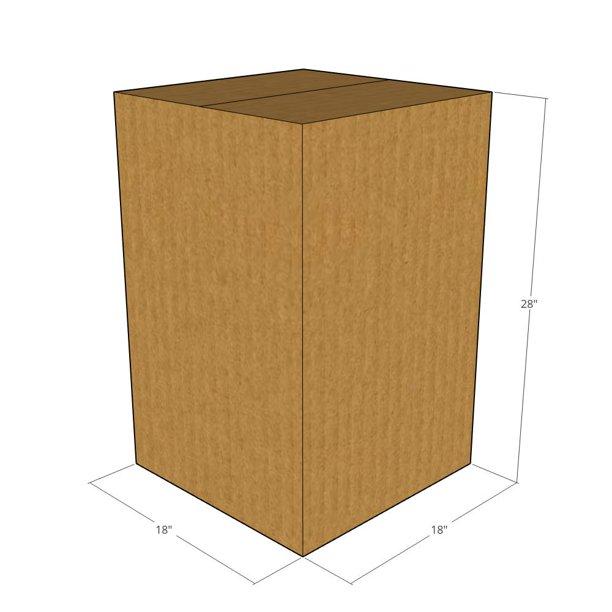
Moving Boxes 18 x 18 x 28 (Dishpack)
Regular price $6.00 USDRegular price -
Moving Boxes 24 x 12 x 12 (medium)
Regular price $2.65 USDRegular price

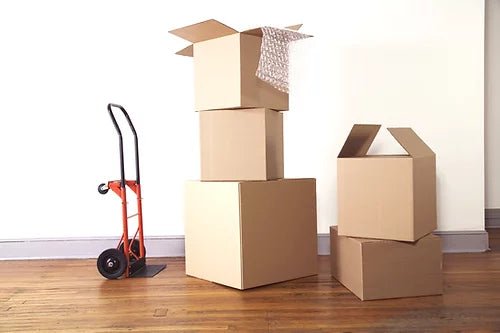



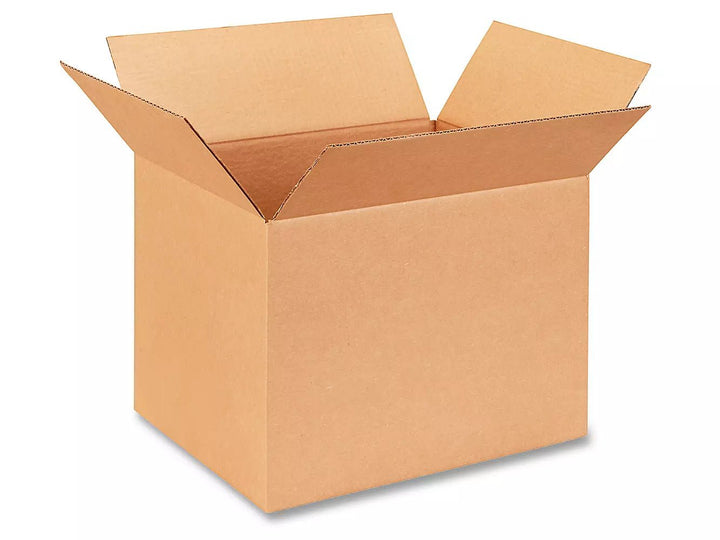


Moving Boxes for Homes, Offices and Commercial Relocations
Moving boxes are corrugated cardboard cartons designed to organize, protect and transport household goods, office supplies, retail merchandise and commercial equipment during relocations, storage and internal transfers. Selecting the correct box size and construction can make packing easier, reduce product movement and help protect belongings during handling.
Gpack Supplies offers small, medium, large and Dishpack moving boxes for residential moves, office relocations, warehouse transfers, storage facilities, moving companies and property-management operations. The collection includes cartons suitable for books, clothing, kitchenware, tools, linens, electronics, documents and fragile household goods.
Moving boxes should be selected according to the size, shape, weight and fragility of the contents. Heavy items generally work better in smaller cartons, while large boxes should be reserved primarily for bulky lightweight products. Fragile items require adequate bubble wrap, packing paper, foam, dividers or other protective materials.
Some moving cartons use single wall corrugated construction for routine packing, while reinforced or double wall boxes provide additional rigidity for heavier, fragile or demanding applications. Review each product listing to confirm the exact board construction and specifications.
Available Moving Box Sizes
The confirmed moving-box dimensions in this collection are listed below. Measurements are stated in inches and follow the standard order: length x width x height.
| Box Size | Category | Recommended Uses |
|---|---|---|
| 16 x 12 x 12 | Small | Books, canned goods, tools, small appliances, office supplies, hardware and other compact or heavier items. |
| 18 x 12 x 12 | Small | Books, kitchen supplies, small electronics, tools, documents, pantry goods and compact household items. |
| 18 x 18 x 16 | Medium | Clothing, kitchenware, toys, small lamps, office equipment, decorative items and general household goods. |
| 24 x 12 x 12 | Medium / Long | Long household items, rolled materials, tools, small equipment, framed products and elongated merchandise. |
| 18 x 18 x 24 | Large | Bedding, linens, pillows, lightweight kitchen items, clothing, toys and bulky but relatively light household goods. |
| 18 x 18 x 28 | Dishpack | Dishes, glasses, stemware, kitchenware, ceramics, lamps, decorative objects and tall fragile household items. |
Product availability and box construction may change. Review each product page to confirm current stock, pack quantity and whether the carton is single wall or double wall.
How to Choose the Correct Moving Box
Use Small Boxes for Heavy Items
Small moving boxes are usually the safest choice for books, canned goods, tools, hardware, compact appliances and dense household products. Keeping heavy items in smaller cartons prevents the package from becoming too difficult to lift and reduces stress on the bottom of the box.
Use Medium Boxes for General Household Goods
Medium moving boxes are suitable for clothing, kitchenware, toys, small electronics, office supplies and mixed household items. They provide more capacity than small cartons without becoming excessively bulky.
Use Large Boxes for Lightweight Products
Large boxes should generally be used for pillows, bedding, linens, towels, lightweight toys, lampshades and bulky clothing. Avoid filling a large carton with books, tools or other dense merchandise because the package may become unsafe to lift or exceed the practical strength of the box.
Use Dishpack Boxes for Fragile Kitchenware
Dishpack boxes are tall reinforced cartons designed for dishes, glassware, stemware, ceramics and other breakable household items. They are commonly used with corrugated dividers, cell kits, packing paper and bubble wrap.
Use Long Boxes for Elongated Items
The 24 x 12 x 12-inch moving box provides additional length for tools, rolled materials, small equipment, decorative items and other products that do not fit efficiently inside a traditional cube-style carton.
Small vs. Medium vs. Large Moving Boxes
Small Moving Boxes
Best for compact or heavy products that would make a larger carton difficult to lift.
- Books
- Tools
- Canned goods
- Small appliances
- Office supplies
- Hardware
- Documents
Medium Moving Boxes
A versatile choice for general household, office and commercial items.
- Clothing
- Kitchenware
- Toys
- Small electronics
- Office equipment
- Decorative items
- Product kits
Large Moving Boxes
Best for bulky lightweight goods that need more internal volume.
- Bedding
- Pillows
- Linens
- Towels
- Lightweight toys
- Seasonal decorations
- Bulky clothing
Single Wall vs. Double Wall Moving Boxes
Single Wall Moving Boxes
- One fluted corrugated layer
- Lighter carton construction
- Suitable for many ordinary household moves
- Useful for clothing, supplies and lightweight goods
- Easy to fold and assemble
- Convenient for short-term storage
Double Wall Moving Boxes
- Two fluted corrugated layers
- Greater rigidity and structural support
- Better suited for fragile or heavier products
- Useful for Dishpack and demanding applications
- Improved puncture and compression resistance
- Suitable for longer-distance or repeated handling
Single wall boxes work well for many everyday moving applications. Double wall construction may be a better choice for dishes, glassware, heavy equipment, valuable merchandise or cartons that will be stacked and handled repeatedly.
What Is a Dishpack Moving Box?
A Dishpack box is a tall reinforced moving carton designed for fragile household goods such as plates, bowls, glasses, cups, stemware, ceramics and kitchen accessories. The 18 x 18 x 28-inch Dishpack in this collection provides vertical space for multiple protected layers.
Dishpacks are often used with corrugated cell dividers that separate individual dishes and glassware. The dividers help reduce contact between items and can improve organization during packing and unpacking.
Each fragile item should still be wrapped individually. Packing paper, bubble wrap, foam and bottom cushioning should be used according to the weight and sensitivity of the contents.
Heavy dishes should generally be placed toward the bottom of the carton, with lighter glassware and fragile pieces placed above them. Empty spaces should be filled so the contents cannot shift during transportation.
Moving Boxes for Residential Moves
Residential moves usually require a combination of small, medium, large and specialty boxes. Using only one size can make packing inefficient and may create boxes that are either too heavy or poorly filled.
Small cartons are appropriate for books, canned goods, tools and compact appliances. Medium cartons can hold clothing, kitchen items and general household goods. Large boxes are useful for bedding, linens and pillows. Dishpack cartons are recommended for glassware, ceramics and fragile kitchenware.
Label every carton with the destination room and a brief description of the contents. Fragile boxes should be clearly identified on multiple sides so the marking remains visible when cartons are stacked.
Moving Boxes for Offices and Businesses
Office relocations require cartons for files, supplies, electronics, promotional materials, inventory and employee workstations. Small and medium boxes are generally easier to carry through hallways, elevators and loading areas.
Heavy documents and paper files should be packed in smaller boxes to control weight. Computers, monitors and sensitive equipment should be placed in appropriately sized cartons with foam, bubble wrap or molded protective inserts.
Each carton should be labeled with the department, employee, destination area and contents. A numbering system can help track boxes during larger commercial relocations.
Moving Boxes for Storage
Corrugated moving boxes can be used for temporary storage when kept in a clean, dry indoor environment. Products should be packed securely and labeled so the contents can be identified without repeatedly opening the cartons.
Avoid placing cardboard boxes directly on concrete floors where moisture may be present. Use pallets, shelving or another raised surface to improve airflow and reduce exposure to water.
Heavy cartons should be placed at the bottom of a stack, with lightweight boxes positioned above them. Do not stack beyond the strength of the cartons or the stability of the load.
How to Pack Books and Heavy Items
Books, tools, canned goods and other dense products should be packed in small moving boxes. A large carton filled with books can become difficult to lift and may place excessive pressure on the box bottom.
Place books flat or upright with their spines supported. Fill unused space with packing paper so the books do not slide. Avoid packing books with fragile products that could be damaged by their weight.
Reinforce the bottom seam with commercial packing tape and use an H-tape pattern when the load requires additional closure support.
How to Pack Clothing, Bedding and Linens
Clothing, towels, bedding, blankets and pillows can be packed in medium or large moving boxes. These products are bulky but usually lightweight, making them appropriate for cartons with greater internal volume.
Fold items neatly to use the available space efficiently. Clean poly bags can provide additional protection from dust and handling before the textiles are placed inside the carton.
Do not overfill the box. The top flaps should close flat without excessive pressure or bulging.
How to Pack Dishes and Glassware
- Place several inches of cushioning in the bottom of the Dishpack box.
- Wrap each plate, bowl, cup and glass separately.
- Place plates vertically rather than stacking them flat when appropriate.
- Use corrugated dividers or cell kits to separate glassware.
- Place heavier items toward the bottom of the carton.
- Fill empty spaces with packing paper or bubble wrap.
- Add a cushioning layer between each level of products.
- Leave protective material between the contents and the top flaps.
- Close the box and apply an appropriate tape pattern.
- Mark the carton as fragile on multiple sides.
How to Pack Electronics
Electronics should be packed in appropriately sized cartons with sufficient protection around all sides. Whenever possible, use the original manufacturer packaging and molded inserts.
Remove batteries when appropriate, secure loose cables and protect screens with foam or another non-abrasive material. Anti-static packaging may be necessary for exposed electronic components.
Avoid placing heavy products on top of electronic equipment. Mark the carton clearly and keep it upright when required by the equipment.
Protective Packaging for Moving Boxes
Newsprint Packing Paper
Clean newsprint packing paper can wrap dishes, glassware and household goods without transferring printed newspaper ink. It can also fill empty spaces.
Kraft Paper
Kraft paper is stronger than light newsprint and can wrap products, create cushioning and fill larger voids inside moving cartons.
Bubble Wrap
Bubble wrap provides cushioning for dishes, electronics, ceramics, glass and decorative products. The appropriate bubble size depends on product weight and fragility.
Foam
Foam sheets and rolls can protect delicate finishes, furniture components, electronics, screens and polished surfaces.
Stretch Film
Stretch film can secure moving blankets, keep drawers closed and bundle lightweight items. Do not apply it directly to delicate finished surfaces without a protective layer.
Corrugated Dividers
Dividers and cell kits separate dishes, bottles, glasses and other fragile products inside specialty moving boxes.
How to Assemble and Seal Moving Boxes
- Open the flattened carton into its rectangular shape.
- Fold the smaller bottom flaps inward.
- Fold the larger bottom flaps over the smaller flaps.
- Apply packing tape along the center bottom seam.
- Add side strips or use an H-tape pattern when additional support is needed.
- Place cushioning material in the bottom before loading fragile products.
- Pack heavier items at the bottom and lighter items above them.
- Fill empty spaces to control movement.
- Close the top flaps without forcing or bulging the carton.
- Seal the top and label the box clearly.
How to Label Moving Boxes
Each box should identify its destination room, general contents and handling requirements. Examples include Kitchen, Master Bedroom, Office, Fragile Glass and Open First.
Write labels on at least two sides and the top so the information remains visible when boxes are stacked. Colored labels or packing tape can identify different rooms, departments or destinations.
Avoid writing detailed descriptions of valuable contents on boxes that may be visible in public or unattended areas.
Common Moving Box Packing Mistakes
Putting Heavy Products in Large Boxes
Large cartons filled with books, tools or canned goods can become unsafe to lift and may place excessive stress on the bottom.
Overfilling Boxes
Bulging cartons do not stack properly and can place pressure on the contents. The top flaps should close flat.
Leaving Empty Space
Unfilled spaces allow products to shift during transportation. Use appropriate void fill to stabilize the contents.
Using Insufficient Cushioning
Strong boxes do not eliminate the need for protective wrapping. Fragile items should be individually wrapped and separated.
Using Damaged Boxes
Wet, torn, crushed or heavily creased cartons may have reduced strength and should be replaced.
Using the Wrong Tape
Masking tape and ordinary office tape are not suitable for closing moving cartons. Use commercial carton-sealing tape.
Failing to Label the Box
Unlabeled cartons slow down unloading and increase the risk that fragile items will be handled incorrectly.
How to Stack Moving Boxes
Place heavy and structurally strong cartons at the bottom of the stack. Position lightweight boxes above them and keep the weight distributed evenly.
Avoid stacking a small box under a much larger carton because the weight may not be supported evenly. Boxes should remain aligned so their corners carry the load.
Do not create stacks that are too tall or unstable. Secure cartons with stretch film when they are transported on pallets.
How to Store Unused Moving Boxes
Store unused boxes flat in a clean, dry indoor area. Keep them away from water, excessive humidity, direct sunlight and chemicals that could weaken the corrugated cardboard.
Avoid placing excessive weight on flattened boxes because pressure can damage the corrugated fluting. Keep boxes off the floor when moisture may be present.
Store specialty items such as Dishpack dividers and cell kits together so they remain available when needed.
Moving Boxes Frequently Asked Questions
What moving-box sizes are available?
Confirmed sizes include 16 x 12 x 12, 18 x 12 x 12, 18 x 18 x 16, 24 x 12 x 12, 18 x 18 x 24 and 18 x 18 x 28 inches.
How are moving-box dimensions listed?
Dimensions are generally listed as length x width x height.
Are the box measurements interior dimensions?
Corrugated-box measurements generally refer to the usable interior dimensions of the assembled carton. Confirm the individual product listing.
Which moving box is best for books?
Small boxes such as 16 x 12 x 12 or 18 x 12 x 12 are better for books because they help control the total package weight.
Which box is best for clothing?
Medium and large moving boxes are suitable for folded clothing, linens and lightweight textiles.
Which box is best for bedding and pillows?
The 18 x 18 x 24-inch large box is appropriate for bulky lightweight items such as pillows, bedding and blankets.
Which box should I use for dishes?
The 18 x 18 x 28-inch Dishpack box is designed for dishes, glassware and fragile kitchen products.
What is a Dishpack box?
A Dishpack is a tall reinforced moving box used with protective wrapping and optional cell dividers for glassware, plates and fragile household items.
Do Dishpack boxes include dividers?
Divider availability depends on the product. Review the listing to determine whether the box includes a cell kit or whether it is sold separately.
Should dishes be packed flat or vertically?
Plates are often packed vertically with protective paper between them because this can distribute pressure more effectively than a flat stack.
What is the difference between single wall and double wall boxes?
Single wall cartons contain one corrugated layer. Double wall cartons contain two layers and generally provide greater rigidity and protection.
Are double wall moving boxes better?
They are better for some heavy, fragile or demanding applications, but single wall boxes are sufficient for many routine moving needs.
Can moving boxes be used for shipping?
Yes, when the box construction, dimensions and weight meet the carrier and product requirements.
Can moving boxes be used for storage?
Yes. Keep them indoors in a clean, dry area and avoid moisture, excessive stacking and direct contact with the floor.
Can I reuse moving boxes?
Boxes may be reused when they remain clean, dry and structurally sound. Replace cartons that are crushed, wet or torn.
Are moving boxes recyclable?
Corrugated cardboard is commonly recyclable where accepted. Local recycling rules and contamination requirements vary.
What tape should I use for moving boxes?
Use commercial acrylic or hot melt packing tape designed for corrugated carton sealing.
Can masking tape close moving boxes?
Masking tape is not recommended because it is not designed for reliable carton sealing.
What is the H-tape method?
It uses one strip along the center seam and additional strips along the two outer flap seams.
How much weight should I place in a moving box?
Weight capacity depends on the box construction and specifications. Keep cartons light enough to lift safely and avoid overloading them.
Should heavy items go in small or large boxes?
Heavy items should generally go in small boxes so the final package remains manageable and places less stress on the carton.
Can I pack books in a large moving box?
It is not recommended because the filled carton may become excessively heavy and difficult to lift.
How do I prevent items from moving inside the box?
Use packing paper, bubble wrap, foam, dividers or another appropriate void-fill material.
Can I pack fragile items with heavy products?
Avoid combining fragile and heavy items because the heavier products can shift and damage delicate contents.
How should moving boxes be labeled?
Label each box with the destination room, general contents and any special handling instructions.
How should moving boxes be stacked?
Place heavy boxes at the bottom and lighter boxes above them. Keep corners aligned and avoid unstable stacks.
Can moving boxes be placed directly on concrete floors?
It is better to keep boxes on pallets or shelving because concrete floors may expose cardboard to moisture.
Do you sell moving boxes in bulk?
Yes. Gpack Supplies offers moving boxes for residential, commercial and professional moving operations. Pack quantities vary by product.
Is local pickup available in Miami?
Yes. Local pickup and fast delivery options available in Miami and Broward.
Do you deliver moving boxes in South Florida?
Delivery availability depends on the destination, order size and selected products. Review the available checkout or delivery options.
Cajas para Mudanzas, Almacenamiento y Traslados
Gpack Supplies ofrece cajas corrugadas para mudanzas residenciales, comerciales y de oficina. La colección incluye cajas pequeñas, medianas, grandes y cajas Dishpack reforzadas para platos, vasos y artículos frágiles.
Medidas disponibles
- 16 x 12 x 12 pulgadas — pequeña
- 18 x 12 x 12 pulgadas — pequeña
- 18 x 18 x 16 pulgadas — mediana
- 24 x 12 x 12 pulgadas — mediana y alargada
- 18 x 18 x 24 pulgadas — grande
- 18 x 18 x 28 pulgadas — Dishpack
Cómo escoger el tamaño correcto
Usa cajas pequeñas para libros, herramientas, latas y productos pesados. Las cajas medianas funcionan bien para ropa, artículos de cocina, juguetes y productos del hogar. Las cajas grandes deben utilizarse principalmente para almohadas, ropa de cama y productos voluminosos pero livianos.
La caja Dishpack es una opción reforzada para platos, vasos, copas, cerámica y otros artículos frágiles. Utiliza papel de empaque, bubble wrap y divisores para evitar que las piezas se golpeen entre sí.
Consejos de empaque
No sobrecargues las cajas. Rellena los espacios vacíos para controlar el movimiento y utiliza cinta adhesiva para cajas corrugadas. Identifica cada caja con el cuarto de destino y su contenido general.
Local pickup and fast delivery options available in Miami and Broward.
Related Moving and Packing Supplies
Complete your move with packing tape, tape dispensers, bubble wrap, newsprint packing paper, kraft paper, stretch film, mattress bags and shipping labels from Gpack Supplies.
Verify every link before publishing. Replace any URL that does not match the actual Shopify collection handle used on your website.