
Collection: Gaffer Tape | Matte Cloth Tape for Stage, Film & Production
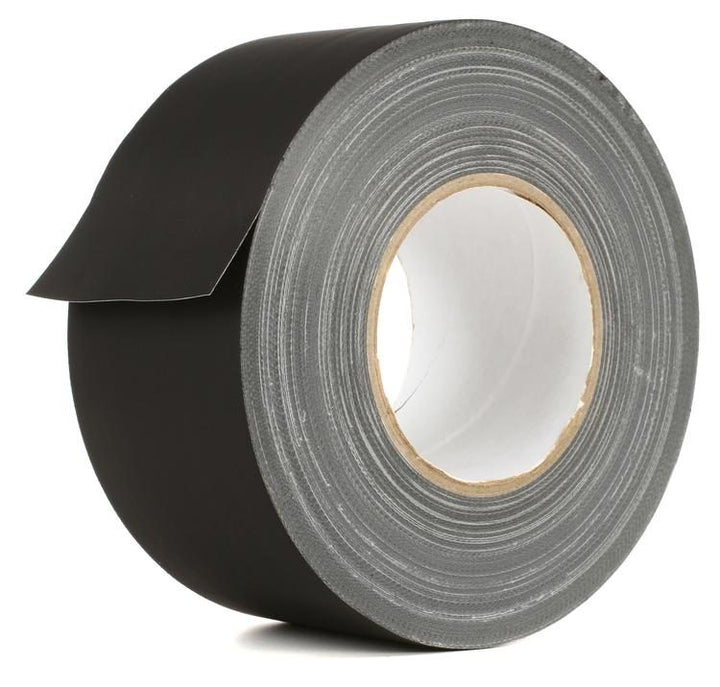
Secure cables, mark floors and handle temporary production setups with professional gaffer tape from Gpack Supplies. This matte cloth tape combines a strong rubber adhesive with a hand-tearable backing for stage, film, photography, events, audiovisual production and warehouse applications.
Choose from 2" x 45-yard and 2" x 60-yard gaffer tape rolls, available as individual rolls or commercial 24-roll cases. The low-reflective matte finish helps reduce glare under stage and studio lighting, while the cloth construction tears cleanly by hand for fast application.
Gaffer tape is commonly used for temporary cable management, floor marking, production equipment, cases, sets and event installations. It is designed for cleaner temporary removal than many duct tapes, although every surface should be tested before use.
Local pickup and fast delivery options available in Miami and Broward.

-
Professional Gaffer Tape
Regular price From $13.50 USDRegular price -
Professional Gaffer Tape 2" 45 yds / 1 Roll
Regular price $13.50 USDRegular price -
Professional Gaffer Tape – 2 x 45 yd – 24 Rolls Case
Regular price $240.00 USDRegular price -
Professional Gaffer Tape – 2 x 60 yd – 1 Roll
Regular price $15.50 USDRegular price -
Professional Gaffer Tape – 2 x 60 yd – 24 Rolls Case
Regular price $298.00 USDRegular price



Professional Gaffer Tape for Stage, Film, Events and Cable Management
Professional gaffer tape provides a strong, flexible and temporary fastening solution for production environments where secure adhesion, fast application and low surface reflection are important. Its cloth backing tears easily by hand, while the matte exterior reduces glare under stage, studio and event lighting.
Gpack Supplies offers 2-inch professional gaffer tape in 45-yard and 60-yard roll lengths. Both sizes are available as individual rolls and commercial 24-roll cases for theaters, production companies, audiovisual crews, event businesses, warehouses and contractors.
Gaffer tape is widely used for cable management, floor marking, temporary repairs, set construction, equipment identification and securing lightweight materials. Unlike many glossy tapes, the matte surface creates a cleaner visual appearance in photography, television and live-production environments.
Although professional gaffer tape is designed for cleaner temporary removal than many duct tapes, adhesive performance varies by surface, temperature, application time and environmental conditions. Always test the tape on a small hidden area before applying it to delicate, painted or finished surfaces.
What Is Gaffer Tape?
Gaffer tape is a pressure-sensitive cloth tape designed for temporary professional applications. It normally combines a woven fabric backing with a rubber-based adhesive and a matte polyethylene coating.
The cloth reinforcement gives the tape flexibility and hand-tearability. Users can pull off practical lengths without scissors or a cutting tool, which is useful during live events, film shoots and fast-paced installation work.
The matte finish helps prevent reflected light from creating unwanted glare. This makes gaffer tape particularly useful on stages, television sets, photography studios and audiovisual installations.
Gaffer tape is not intended to replace permanent mechanical fasteners, electrical wiring products, structural adhesives or safety-rated restraint systems. It is best used for temporary securing, organization and surface marking.
Professional Gaffer Tape Sizes Available from Gpack Supplies
| Tape Size | Package Quantity | Recommended Applications |
|---|---|---|
| 2" x 45 yd | 1 roll | Small productions, event setups, studio work and general temporary repairs |
| 2" x 45 yd | 24-roll case | Production companies, theaters, event crews and commercial inventory |
| 2" x 60 yd | 1 roll | Longer cable runs, extended installations and larger event setups |
| 2" x 60 yd | 24-roll case | High-volume stage, film, convention and audiovisual operations |
Key Features of Professional Gaffer Tape
Matte Low-Reflective Finish
The matte surface helps reduce glare from stage lights, camera flashes and studio equipment. This provides a cleaner appearance in film, television, photography and live-event environments.
Hand-Tearable Cloth Backing
Gaffer tape can be torn across or along the roll without scissors. This supports quick application when crews need to work efficiently.
Strong Temporary Adhesion
The rubber-based adhesive provides a strong grip on many common surfaces, including sealed floors, equipment cases, cables, metal, plastic and selected fabrics.
Flexible Construction
The cloth backing bends around cables, corners, handles and irregular shapes while maintaining contact with the surface.
Cleaner Removal
Professional gaffer tape is designed to remove more cleanly than many duct tapes when used for temporary applications. Removal results depend on the surface, time and temperature.
Professional Appearance
The low-gloss finish and clean edges help installations look organized and intentional in customer-facing and production environments.
Gaffer Tape vs. Duct Tape
| Feature | Gaffer Tape | Duct Tape |
|---|---|---|
| Surface finish | Matte and low-reflective | Often glossy or semi-gloss |
| Primary use | Temporary stage, production and cable applications | General repair, sealing and maintenance |
| Removal | Designed for cleaner temporary removal | More likely to leave adhesive residue |
| Hand tearing | Easy straight and cross-direction tearing | Varies by product construction |
| Camera and stage use | Preferred because of matte finish | Gloss may reflect production lighting |
Gaffer Tape vs. Electrical Tape
Gaffer tape and electrical tape are designed for different purposes. Gaffer tape is a wide cloth tape used for cable organization, temporary mounting and floor applications.
Electrical tape is a narrow insulating tape designed for selected electrical and wire applications. It is normally made from vinyl and should meet the requirements of the specific electrical task.
Gaffer tape may secure a cable to a floor, but it should not be used as a substitute for electrical insulation, wire repair or code-compliant electrical products.
When managing powered cables, inspect the cable condition before taping it down. Damaged cables should be removed from service rather than covered with gaffer tape.
Gaffer Tape vs. Masking Tape
Masking tape is a lighter paper-backed product designed primarily for painting, labeling and short-term surface protection.
Gaffer tape provides stronger adhesion, better flexibility and greater resistance to foot traffic and handling.
Masking tape tears easily but does not normally provide the durability needed for heavy cables, stage floors or equipment.
Use masking tape for low-stress marking and painting tasks. Use gaffer tape when the application requires stronger temporary attachment and a cloth backing.
Common Uses for Gaffer Tape
Cable Management
Gaffer tape is commonly used to secure audio, video, lighting and power cables to floors and temporary surfaces. The matte finish keeps the cable run less visually distracting.
Stage and Theater Productions
Theaters use gaffer tape for marking performer positions, securing cables, labeling equipment and making temporary set adjustments.
Film and Television
Production crews use gaffer tape for camera cables, lighting equipment, temporary mounts, equipment cases and set identification.
Photography Studios
Photographers use matte tape for securing backdrop edges, cables, reflectors and temporary floor marks without creating excessive glare.
Concerts and Live Events
Event crews use gaffer tape to manage cables around stages, sound systems, lighting rigs and temporary installations.
Trade Shows and Conventions
Exhibitors use gaffer tape for floor cable management, booth setup, temporary signage and equipment organization.
Warehouse Marking
Gaffer tape can provide temporary location marking, equipment identification and short-term work-area organization inside warehouses.
Equipment Cases
Crews use gaffer tape to label road cases, close lightweight covers and identify equipment assigned to departments or production zones.
Temporary Repairs
The tape can support temporary fixes to covers, fabric, cables, cases and non-structural equipment until a permanent repair is completed.
Using Gaffer Tape for Cable Management
Before applying tape, arrange cables in straight, organized runs. Avoid sharp bends, twisted cables and unnecessary overlap.
Clean the floor or application surface to remove dust, oil and moisture. Adhesive performs best on clean and dry surfaces.
Apply short strips across the cable or use a longer strip along the cable run depending on traffic and appearance requirements.
Avoid creating raised edges that may become trip hazards. Press the tape firmly across the full width and inspect the installation regularly.
For public walkways and high-traffic areas, use approved cable covers or ramps when required. Gaffer tape alone may not provide adequate physical protection.
How to Apply Gaffer Tape Correctly
- Identify the surface and confirm that temporary tape use is appropriate.
- Test the tape on a small hidden area.
- Clean dust, oil and moisture from the application surface.
- Measure the required length.
- Tear the tape cleanly by hand.
- Position the tape before pressing the adhesive firmly.
- Apply the center first and smooth toward the edges.
- Press around cables and irregular shapes to improve contact.
- Avoid stretching the tape excessively during application.
- Inspect edges for lifting or wrinkles.
- Replace the tape if it becomes dirty, loose or damaged.
- Remove it within a reasonable temporary-use period.
How to Remove Gaffer Tape
Pull the tape back slowly at a low angle rather than lifting it sharply away from the surface.
Support delicate surfaces during removal and stop if paint, coating or finish begins to lift.
Remove gaffer tape after the event, production or temporary installation instead of leaving it in place for long periods.
Heat, sunlight, pressure and extended application time can make adhesive more difficult to remove.
If light residue remains, use a cleaner approved for the surface. Test any cleaning product in a hidden area first.
Surfaces Commonly Used with Gaffer Tape
| Surface | General Consideration |
|---|---|
| Sealed concrete | Clean dust and moisture before application |
| Stage floors | Test finish and remove promptly after production |
| Metal equipment cases | Usually suitable when surfaces are clean and dry |
| Plastic cases | Adhesion varies by plastic formulation and texture |
| Carpet | Use caution because adhesive may collect fibers or leave residue |
| Painted walls | Test first because paint may lift during removal |
| Finished wood | Avoid prolonged contact and test the finish carefully |
| Fabric and drape | Test for adhesive transfer and fiber damage |
When Not to Use Gaffer Tape
Do not use gaffer tape as a permanent structural fastener or to support suspended equipment.
Do not use it as electrical insulation or to repair damaged electrical wiring.
Do not rely on tape alone to secure heavy objects, overhead equipment or safety-critical components.
Avoid applying it to freshly painted surfaces, delicate wallpaper, fragile finishes, antique furniture or sensitive coatings without testing.
Do not use gaffer tape where applicable building, electrical, fire or safety requirements call for a different approved product.
Choosing Between 45-Yard and 60-Yard Gaffer Tape
2" x 45-Yard Rolls
The 45-yard format is practical for individual users, small productions, studios, schools, event crews and businesses with moderate usage.
A single roll is convenient for toolboxes, equipment cases and occasional projects. The 24-roll case supports commercial inventory while maintaining a more compact roll length.
2" x 60-Yard Rolls
The 60-yard format provides more tape per roll and can reduce roll changes during larger installations.
It is suitable for longer cable runs, theaters, production houses, convention companies and high-volume audiovisual operations.
Which Length Should You Choose?
Choose 45 yards for smaller jobs and portable tool kits. Choose 60 yards when crews use significant amounts of tape during recurring or large-scale work.
Single Rolls vs. 24-Roll Cases
Individual rolls are practical for testing, occasional work, replacement stock and small crews.
Commercial 24-roll cases are better for production companies, event rental businesses, schools, theaters, studios and warehouses that use tape regularly.
Buying by the case helps standardize supplies across departments and reduces the chance of running out during an event or production.
Store full cases in a protected supply area and distribute individual rolls to active crews according to each project.
Gaffer Tape for Film and Television Production
Film and television crews use gaffer tape because the matte surface remains less visible under strong production lighting.
Common uses include securing camera cables, labeling road cases, holding lightweight materials, marking performer positions and managing temporary set components.
Tape should not be attached directly to expensive lenses, sensitive electronics, painted props or delicate finishes without surface testing.
Remove tape after the production day whenever practical to reduce the possibility of adhesive transfer.
Gaffer Tape for Theater and Stage Production
Theater crews use gaffer tape for floor marks, backstage cable organization, set preparation and temporary repairs.
The hand-tearable construction allows technicians to apply tape quickly during rehearsals, scene changes and equipment setup.
Matte black tape is especially useful when tape should remain visually unobtrusive on dark stages and equipment.
Stage-floor finishes vary, so surface testing and timely removal are important.
Gaffer Tape for Events, Conventions and Trade Shows
Event companies use gaffer tape for audiovisual cables, booth equipment, temporary signage, floor marking and backstage organization.
The tape can help keep installations neat in conference rooms, hotel ballrooms, exhibition halls and temporary event spaces.
Public walkways may require cable ramps or approved floor covers in addition to tape.
Event crews should inspect taped areas throughout the day and replace sections that begin to lift.
Gaffer Tape for Warehouses and Commercial Operations
Warehouses can use gaffer tape for temporary markings, equipment identification, cable organization and short-term workstation setups.
Matte tape is useful when a strong temporary cloth tape is needed but permanent floor-marking tape is unnecessary.
Do not use gaffer tape as a substitute for permanent safety markings, hazard identification or required floor striping.
For long-term warehouse layouts, use products designed specifically for durable floor marking.
Best Practices for Professional Gaffer Tape
- Test the tape on a hidden area before full application.
- Apply only to clean, dry and compatible surfaces.
- Use enough tape to hold the cable or material securely.
- Press the complete adhesive surface firmly.
- Keep taped cable runs flat and organized.
- Avoid creating raised edges and trip hazards.
- Do not stretch the tape excessively.
- Inspect installations during long events or productions.
- Remove the tape after temporary use.
- Do not apply directly to damaged electrical cables.
- Use approved cable ramps in high-traffic areas when required.
- Keep rolls protected from dust and moisture.
- Store full cases in a cool, dry supply area.
- Do not use gaffer tape for structural or safety-rated applications.
Common Gaffer Tape Application Problems
Tape Does Not Stick
The surface may contain dust, oil, moisture or a low-energy plastic that resists adhesive bonding.
Edges Begin to Lift
The tape may not have been pressed firmly, the surface may be uneven or foot traffic may be pulling against the edges.
Adhesive Residue Remains
Residue may result from extended application time, high temperature, sunlight, surface chemistry or excessive pressure.
Paint Lifts During Removal
The paint may not be fully cured, may have poor adhesion or may be incompatible with the tape adhesive.
Tape Tears Unevenly
Start the tear cleanly at the edge and pull firmly across the cloth weave rather than stretching the tape slowly.
Tape Becomes Difficult to Remove
Long exposure to heat and time can strengthen adhesive contact. Remove temporary tape promptly after the application is complete.
How to Store Gaffer Tape
Store gaffer tape in a clean, dry and temperature-controlled area. Keep rolls inside their original packaging or cases until needed.
Avoid prolonged exposure to direct sunlight, excessive heat, moisture, dust and chemical vapors.
Store rolls flat or supported so the cores and tape edges do not become crushed or deformed.
Do not place heavy merchandise on top of gaffer-tape cases.
Rotate stock so older rolls are used before newer inventory. Inspect rolls for damaged edges, adhesive transfer or contamination before use.
Industries That Use Professional Gaffer Tape
- Film and television production
- Theaters and performing-arts venues
- Concert and event production
- Photography studios
- Audiovisual installation companies
- Convention and trade-show businesses
- Schools and universities
- Broadcast studios
- Rental and staging companies
- Hotels and conference centers
- Warehouses and fulfillment operations
- Production equipment suppliers
- Museums and galleries
- Churches and worship facilities
- Corporate event departments
Frequently Asked Questions About Gaffer Tape
What is gaffer tape used for?
Gaffer tape is used for temporary cable management, stage marking, equipment identification, event setups and production work.
What gaffer tape sizes does Gpack Supplies offer?
Gpack Supplies offers 2-inch-wide rolls in 45-yard and 60-yard lengths.
Is gaffer tape available by the roll?
Yes. Both 45-yard and 60-yard formats are available as individual rolls.
Is gaffer tape available by the case?
Yes. Both roll lengths are available in commercial 24-roll cases.
What is the difference between gaffer tape and duct tape?
Gaffer tape has a matte cloth backing and is designed for cleaner temporary removal, while duct tape is usually glossier and more likely to leave residue.
Is gaffer tape hand-tearable?
Yes. The cloth backing is designed to tear by hand across or along the roll.
Does gaffer tape leave residue?
It is designed for cleaner removal, but residue can still occur depending on the surface, temperature and application time.
Can gaffer tape be used on painted walls?
It may damage or lift paint. Always test a small hidden area first.
Can gaffer tape be used on wood floors?
Use caution and test the finish before applying tape to any wood floor.
Can gaffer tape be used on carpet?
It may be used on selected carpets, but fibers and adhesive residue can become a problem. Test first.
Can gaffer tape secure cables to floors?
Yes. Cable management is one of its most common professional uses.
Can gaffer tape replace a cable ramp?
No. High-traffic areas may require approved cable ramps or covers for physical protection and safety.
Can gaffer tape repair electrical cables?
No. Damaged electrical cables should be repaired or replaced using approved electrical procedures and materials.
Is gaffer tape waterproof?
It can resist limited moisture, but it should not be considered completely waterproof or suitable for permanent wet exposure.
Can gaffer tape be used outdoors?
It may be used for temporary outdoor applications, but heat, rain, sunlight and surface conditions can affect performance.
Why is gaffer tape matte?
The matte finish reduces glare under stage, studio, film and photography lighting.
Is gaffer tape good for photography studios?
Yes. It is useful for cables, backdrops, floor marks and temporary equipment setups.
Is gaffer tape good for theater stages?
Yes. Theaters use it for floor marks, cable runs, sets and backstage organization.
Can gaffer tape be used for warehouse floor marking?
It can be used for temporary marking, but permanent layouts should use durable floor-marking products.
How long can gaffer tape remain applied?
It should be removed after the temporary application is complete. Longer exposure increases the possibility of residue.
How should gaffer tape be removed?
Pull it back slowly at a low angle while supporting delicate surfaces.
Can gaffer tape damage paint?
Yes. Poorly bonded, uncured or delicate paint may lift during removal.
What is the advantage of a 60-yard roll?
A 60-yard roll provides more tape and reduces roll changes during large installations.
What is the advantage of a 45-yard roll?
A 45-yard roll is convenient for smaller jobs, tool kits and moderate usage.
Is gaffer tape suitable for structural repairs?
No. It should not replace mechanical fasteners, structural adhesives or approved repair methods.
Can gaffer tape hold heavy equipment?
No. It is not a load-rated restraint or lifting product.
How should gaffer tape be stored?
Store rolls in a cool, dry area away from sunlight, heat, moisture, dust and chemicals.
Does Gpack Supplies sell professional gaffer tape wholesale?
Yes. Gpack Supplies offers individual rolls and commercial 24-roll cases.
Is local pickup available in Miami?
Local pickup and fast delivery options available in Miami and Broward.
Cinta gaffer profesional para escenarios, eventos y producción
La cinta gaffer es una cinta profesional de tela con acabado mate, adhesivo fuerte y fácil corte manual. Se utiliza para organizar cables, marcar pisos, identificar equipos y realizar instalaciones temporales.
Gpack Supplies ofrece gaffer tape de 2 pulgadas de ancho en rollos de 45 y 60 yardas. Ambas medidas están disponibles por rollo individual y en cajas comerciales de 24 rollos.
Aplicaciones principales
- Organización de cables de audio, video e iluminación
- Producciones de cine y televisión
- Teatros y escenarios
- Estudios de fotografía
- Conciertos y eventos
- Convenciones y trade shows
- Marcado temporal de pisos
- Identificación de equipos y cases
- Reparaciones temporales no estructurales
- Operaciones audiovisuales y de producción
El acabado mate ayuda a reducir reflejos producidos por luces, cámaras y flashes. Por esta razón, la cinta gaffer es preferida en escenarios, estudios y producciones audiovisuales.
La cinta puede rasgarse con la mano y se adapta alrededor de cables, esquinas y formas irregulares.
Aunque está diseñada para removerse con menos residuos que muchas cintas duct tape, siempre debe probarse primero en superficies pintadas, madera, carpetas, paredes y acabados delicados.
No utilice gaffer tape como reemplazo de cinta eléctrica, sujetadores estructurales, cable ramps, locks o sistemas de seguridad aprobados.
Local pickup and fast delivery options available in Miami and Broward.