
Colección: Flejes: Poliéster, Acero y Poliéster | Herramientas y sellos
Flejes de polipropileno (PP), poliéster (PET) y acero | Herramientas, tensores y sellos
Asegure sus palés y envíos con los suministros de flejado industrial de Gpack Supplies . Disponemos de flejes de polipropileno (PP) , poliéster (PET) y acero , además de las herramientas, dispensadores y precintos que necesita para un agrupamiento firme y fiable, y la estabilización de palés.
Comprar por tipo de fleje
- Flejes de polietileno (PP): rollos livianos y económicos para agrupar cajas de cartón y cargas ligeras a medianas.
- Fleje de poliéster (PET): alta resistencia a la tracción y recuperación de elongación: una alternativa de acero ecológica para cargas pesadas
- Flejes de acero: Máxima resistencia y resistencia al calor para las aplicaciones industriales y de exportación más exigentes.
Herramientas y accesorios
- Tensores y selladores manuales y herramientas combinadas para una aplicación eficiente
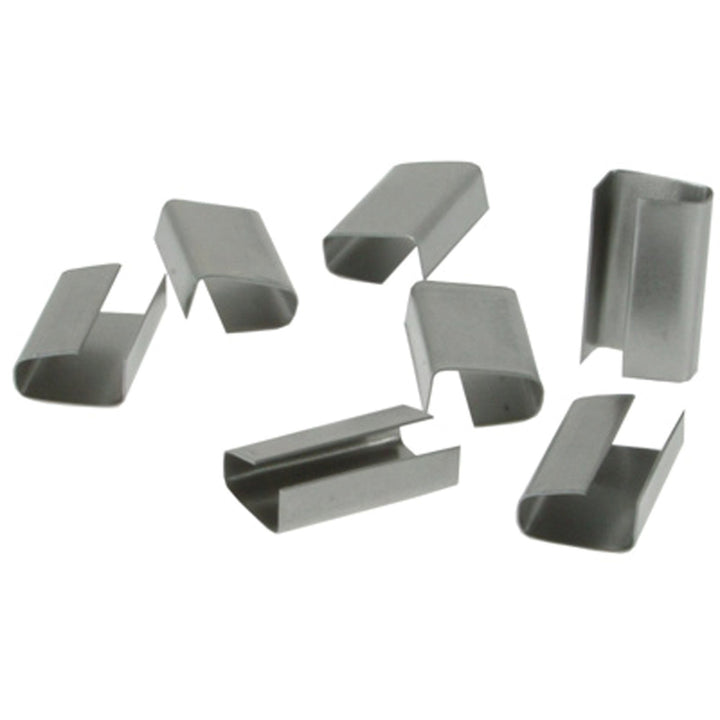
- Sellos y hebillas: Sellos metálicos abiertos/cerrados, hebillas de alambre para flejado de PP/PET
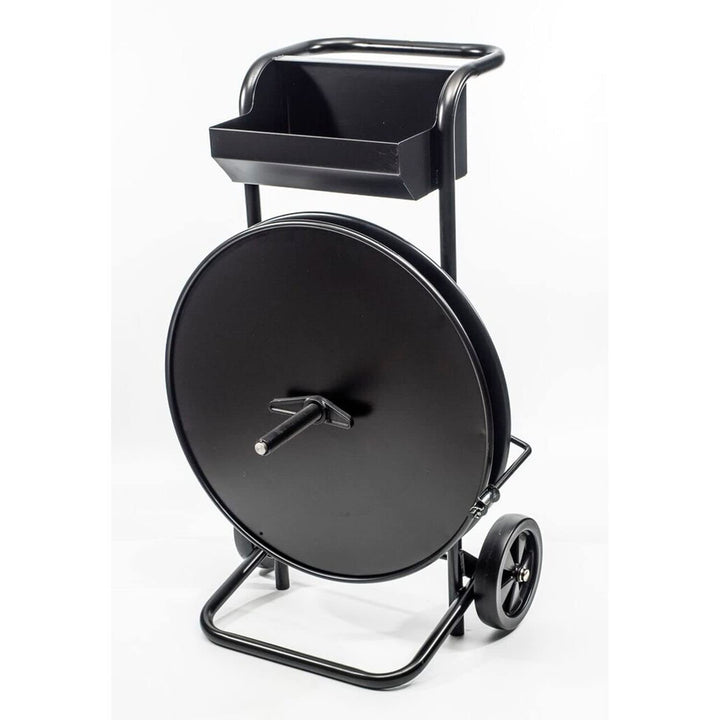
- Dispensadores y carros para mantener las bobinas de flejado organizadas y móviles
- Protectores de bordes para evitar daños en las esquinas y cortes en las correas.
Presupuesto
- Anchos: comunes 1/2", 5/8", 3/4" (otros disponibles)
- Resistencia a la rotura: clasificaciones por material y espesor para cargas ligeras e industriales
- Núcleos: 8" x 8", 16" x 6", etc. (varía según el SKU)
- Acabados: PP/PET gofrado o liso; acero pintado/ennegrecido con cera/aceite.
Mejor para
- Paletización, unificación y estabilización de carga
- Agrupación de tuberías, madera, electrodomésticos y cajas de cartón
- Operaciones de almacén, fabricación y transporte de carga LTL
Complete su línea de embalaje con film estirable , cinta de embalaje y dispensadores , y etiquetas de envío y de código de barras .
Flejes y cintas de amarre en Miami: fleje de polipropileno (PP) para cargas ligeras, fleje de poliéster (PET) para cargas pesadas y fleje de acero para aplicaciones industriales y de exportación. Contamos con herramientas de flejado manuales, tensores, selladoras, hebillas y carros dispensadores para un embalaje seguro y eficiente. Compra suministros de flejado al por mayor en Gpack Supplies con envío rápido y recogida local.

-
Poly Strapping
Precio habitual A partir de $85.00 USDPrecio habitual -
Poly Strapping 1/2” x 7200' – 500 lb Tensile (16” x 6” Core)
Precio habitual $85.00 USDPrecio habitual -
Poly Strapping 1/2 x 7200 Self Dispensing – 16 x 6 Core
Precio habitual $85.00 USDPrecio habitual -
Poly Strapping 1/2” x 9000' – 300 lb Tensile (9” x 8” Core)
Precio habitual $85.00 USDPrecio habitual -
Poly Strapping 1/2” x 9000' – 400 lb Tensile (8” x 8” Core)
Precio habitual $120.00 USDPrecio habitual -
Poly Strapping 3/8 x 12900 ft – 300 lb Tensile – 9 x 8 Core
Precio habitual $105.00 USDPrecio habitual -
Steel Strapping
Precio habitual $165.00 USDPrecio habitual -
Steel Strapping 1 1/4” x 760' – Gauge 0.31 (Industrial Grade)
Precio habitual $165.00 USDPrecio habitual -
Steel Strapping 3/4” x 1624' – Gauge 0.23 (Industrial Grade)
Precio habitual $165.00 USDPrecio habitual -
Steel Strapping 5/8” x 1947' – Gauge 0.23 (Industrial Grade)
Precio habitual $165.00 USDPrecio habitual -
Steel Strapping 1/2” x 2560' – Gauge 0.23 (Industrial Grade)
Precio habitual $165.00 USDPrecio habitual -
Poly Strapping Seals
Precio habitual $45.00 USDPrecio habitual -
Poly Strapping Seals Metal Seal Tensile: 1000 1/2" Semi Open
Precio habitual $45.00 USDPrecio habitual -
Poly Strapping Metal Seals 3/4” – 1000/Case (Heavy Duty)
Precio habitual $45.00 USDPrecio habitual -
Poly Strapping Metal Seals 5/8” – 1000/Case (Heavy Duty)
Precio habitual $45.00 USDPrecio habitual -
Steel Strapping Seals
Precio habitual $50.00 USDPrecio habitual -
Steel Strapping Seals 1/2” – Heavy Duty Load Securement
Precio habitual $50.00 USDPrecio habitual -
Steel Strapping Seals 3/4” – Heavy Duty Load Securement
Precio habitual $50.00 USDPrecio habitual -
Steel Strapping Seals 5/8” – Heavy Duty Load Securement
Precio habitual $50.00 USDPrecio habitual -
Steel Strapping Seals 1 1/4” – Heavy Duty Load Securement
Precio habitual $50.00 USDPrecio habitual -
Strapping Cart Dispenser – Mobile Dispenser for Poly & Steel Strapping Rolls
Precio habitual $380.00 USDPrecio habitual -
Poly Strapping Tensioner Tool
Precio habitual $50.00 USDPrecio habitual -
Poly strapping Sealer Tool
Precio habitual $50.00 USDPrecio habitual -
Steel strapping Tensioner
Precio habitual $150.00 USDPrecio habitual






Strapping Supplies for Pallets, Cartons, Bundles and Industrial Loads
Strapping supplies help secure cartons, bundles, palletized products, lumber, pipes, appliances, machinery and commercial freight during storage and transportation. A complete strapping system combines the correct strap material with compatible seals, tensioning tools, sealing equipment and dispensers.
Gpack Supplies offers polypropylene strapping, polyester strapping, steel strapping, metal seals, manual tensioners, sealers, mobile dispenser carts and packing-station equipment. These products support warehouses, manufacturers, distribution centers, exporters, freight companies and fulfillment operations.
Available widths include 3/8", 1/2", 5/8", 3/4" and 1 1/4". Poly strapping options are available with tensile strengths from approximately 300 lb to 500 lb, while industrial steel and PET polyester products are suited to heavier or more demanding loads.
Strapping should always be selected according to load weight, package shape, edge conditions, transportation method and expected movement. Using the wrong strap, seal or tool can reduce joint strength and load stability.
Strapping Products Available from Gpack Supplies
| Product Category | Available Options | Common Applications |
|---|---|---|
| Polypropylene strapping | 3/8" and 1/2" rolls in multiple lengths and tensile strengths | Cartons, bundles, light pallets and warehouse packaging |
| Polyester strapping | 5/8" x 0.023" smooth PET strapping | Heavy pallets, building materials, appliances and industrial loads |
| Steel strapping | 1/2", 5/8", 3/4" and 1 1/4" industrial coils | Rigid, sharp-edged, heavy and high-tension loads |
| Poly strapping seals | 1/2", 5/8" and 3/4" metal seals | Manual sealing of polypropylene strapping |
| Steel strapping seals | 1/2", 5/8", 3/4" and 1 1/4" seals | Heavy-duty steel strapping joints |
| Strapping tools | Poly and steel tensioners, sealers and strapping table | Applying, tightening and sealing strapping |
| Dispenser equipment | Mobile strapping cart | Transporting and dispensing strapping coils |
What Is Industrial Strapping?
Industrial strapping is a narrow band of polypropylene, polyester or steel applied around a package, bundle or pallet load. It creates compression and helps prevent products from separating or shifting.
Strapping may be applied horizontally around a group of cartons, vertically around a pallet and load, or in several directions for additional stabilization.
The strap is placed around the load, tightened with a tensioner and joined with a compatible metal seal, buckle, weld or other approved closure.
Strapping is often combined with stretch film, corner protectors, pallet covers and slip sheets. Each material performs a different function within the complete load-containment system.
Polypropylene, Polyester and Steel Strapping Comparison
| Feature | Polypropylene | Polyester | Steel |
|---|---|---|---|
| Relative strength | Light to medium | Medium to heavy | Heavy to industrial |
| Elongation | Higher | Moderate with good recovery | Low |
| Corrosion risk | None from plastic strap | None from plastic strap | Possible if coating is damaged |
| Edge sensitivity | Can be cut by sharp edges | Better resistance than PP | Strongest for rigid sharp-edged loads |
| Common use | Cartons and light pallets | Heavy pallets and building materials | Metal, lumber, machinery and industrial loads |
Polypropylene Strapping for Cartons and Light Pallet Loads
Polypropylene strapping, commonly called PP strapping or poly strapping, is a lightweight and economical material used for carton closing, bundling and light-to-medium pallet stabilization.
PP strapping stretches more than polyester or steel. This allows it to absorb some movement, but it may also lose tension when a load settles or compresses.
It is commonly used for corrugated boxes, printed materials, lightweight building products, packaged food, textiles and general warehouse shipments.
Poly strapping can be applied manually with a tensioner and metal seal, with buckles or through compatible semi-automatic equipment.
Poly Strapping Sizes Available
| Strap Size | Tensile Strength | Core | Recommended Applications |
|---|---|---|---|
| 1/2" x 7,200' | 500 lb | 16" x 6" | Heavier cartons, pallet loads and commercial bundling |
| 1/2" x 7,200' | Verify by SKU | 16" x 6" | Self-dispensing warehouse and carton bundling |
| 1/2" x 9,000' | 300 lb | 9" x 8" | Light cartons, packages and general bundling |
| 1/2" x 9,000' | 400 lb | 8" x 8" | Medium cartons and light pallet loads |
| 3/8" x 12,900' | 300 lb | 9" x 8" | Light packages, newspapers, printed materials and small bundles |
Understanding Poly Strapping Tensile Strength
Tensile strength indicates the approximate force required to break the strap under controlled conditions. A higher tensile rating generally supports heavier loads, but it should not be treated as the safe working load of the complete package.
The finished joint is often weaker than the unsealed strap. Seal type, tool adjustment, strap alignment and operator technique all affect final system strength.
A 300 lb strap may be appropriate for lighter cartons, while 400 lb and 500 lb options provide additional strength for heavier packages and palletized products.
Use multiple straps when necessary and distribute them evenly across the load.
Polyester Strapping for Heavy Pallet Loads
Polyester strapping, also called PET strapping, combines high tensile strength with elastic recovery. It can maintain tension when pallet loads settle or compress during storage and transportation.
The 5/8" x 0.023" x 4,000' smooth polyester strapping in this collection is supplied on a 16" x 6" core.
PET strapping is commonly used for building materials, appliances, lumber, beverage products, corrugated loads and commercial freight.
Polyester does not rust and is safer to handle than sharp steel in many applications. However, it must still be protected from cutting edges and used with compatible tools and seals.
Steel Strapping for Industrial and High-Tension Loads
Steel strapping provides high strength and low elongation for rigid, heavy and high-temperature loads. It is commonly used for lumber, metal products, machinery, bricks, concrete products and industrial freight.
Available widths include 1/2", 5/8", 3/4" and 1 1/4". Wider and thicker steel strap generally supports more demanding applications.
Steel strapping has sharp edges and can recoil when cut. Workers should use appropriate gloves, eye protection, cutting tools and safe release procedures.
Steel strap should be tensioned and sealed only with tools designed for the exact width, gauge and seal style.
Steel Strapping Sizes Available
| Steel Strap Size | Gauge | Typical Applications |
|---|---|---|
| 1/2" x 2,560' | 0.023 | Compact industrial bundles, cartons and rigid products |
| 5/8" x 1,947' | 0.023 | Palletized industrial goods, lumber and metal products |
| 3/4" x 1,624' | 0.023 | Heavy pallet loads and industrial bundling |
| 1 1/4" x 760' | 0.031 | Very heavy industrial, metal, lumber and rigid export loads |
Strapping Seals and Joint Strength
Metal seals join overlapping strap ends after tension has been applied. The seal must match the strap material, width and tool.
Poly strapping seals are commonly semi-open or open styles that fit around polypropylene strap before being crimped with a manual sealer.
Steel strapping seals are heavier and designed for industrial steel strap. The seal shape, length and thickness affect compatibility.
A poorly crimped or mismatched seal can slip before the strap reaches its rated strength. Inspect completed joints before moving the load.
Poly Strapping Metal Seals
Gpack Supplies offers 1/2", 5/8" and 3/4" metal seals for compatible poly strapping systems.
The 1/2" semi-open seals are supplied in cases of 1,000 and are designed for common manual polypropylene strapping applications.
Heavy-duty 5/8" and 3/4" seals are also supplied in commercial quantities for larger strapping widths.
Always verify that the sealer jaw profile matches the selected seal.
Steel Strapping Seals
Steel strapping seals are available for 1/2", 5/8", 3/4" and 1 1/4" strap widths.
These seals are designed for heavy-duty load securing when used with compatible steel tensioners and sealing tools.
The strap ends should overlap correctly and remain aligned before the seal is applied.
Inspect the crimp pattern and confirm that the seal does not move or open under light manual checking.
Poly Strapping Tensioner Tools
A manual poly strapping tensioner removes slack and applies controlled tension around cartons, bundles and pallet loads.
The tool should match the strap width and thickness. An incompatible tensioner may slip, damage the strap or apply uneven force.
Place the tensioner on a stable surface of the load and keep hands away from pinch points.
Excessive tension can crush corrugated cartons or cut into package edges. Use corner protectors when necessary.
Poly Strapping Sealer Tools
A poly strapping sealer crimps a metal seal around overlapping polypropylene strap ends.
Sealers are manufactured for specific seal and strap widths. A 1/2" tool should not be assumed suitable for 5/8" or 3/4" seals.
Position the sealer evenly over the metal seal and close the handles completely to form the joint.
Inspect worn jaws and pivots regularly because damaged tools can create inconsistent seals.
Steel Strapping Tensioners and Sealers
Steel strapping tensioners apply controlled force to industrial steel strap before sealing.
A 1/2" steel strapping sealer is available for compatible 1/2" seals. Wider steel strap requires tools specifically designed for the selected width and gauge.
Because steel strap stores significant energy, workers should stand clear of the strap path and avoid placing their face or body directly above the load.
Never use damaged, bent or severely worn steel-strapping tools.
Strapping Cart Dispensers
A mobile strapping cart holds and dispenses poly, polyester or steel strapping coils while keeping the roll organized.
The cart helps prevent coils from rolling across the floor and allows employees to move strapping between palletizing stations.
Confirm the cart spindle, coil width, core size and maximum roll weight before loading a new coil.
Store tensioners, sealers and seals in the cart tray when available so the complete system remains together.
Self-Dispensing Poly Strapping
Self-dispensing poly strapping is packaged to allow the material to feed without a separate floor cart in selected applications.
This format is useful for smaller packing areas, temporary projects and facilities that do not need a mobile coil dispenser.
Keep the container upright and pull the strap in the intended direction to prevent tangling.
Self-dispensing packaging does not change the strap’s tensile strength or tool requirements.
Poly Strapping Tables for Packing Stations
A 1/2" poly strapping table provides a dedicated surface for applying strapping around cartons and packages.
The table can help guide the strap beneath the package and improve consistency during repetitive bundling.
Position the unit on a level floor and maintain adequate working clearance around the station.
Confirm strap, seal and tool compatibility before beginning production.
How to Choose the Correct Strapping Material
Evaluate the Load Weight
Lightweight cartons may use polypropylene, while heavier pallet loads may require polyester or steel.
Review Load Movement
Loads that settle or compress benefit from materials with elastic recovery, such as PET polyester strapping.
Check for Sharp Edges
Sharp metal, lumber or masonry products can cut plastic strap. Edge protectors or steel strap may be required.
Consider Storage and Transportation Conditions
Moisture, heat, outdoor exposure and long transit periods can affect the best material choice.
Match the Tools and Seals
Verify strap width, thickness, core, seal type and tool specifications as one complete system.
How to Strap a Carton or Pallet Load
- Confirm that the load is stable before applying strapping.
- Select strap material and width appropriate for the load.
- Inspect the strap, seals and tools for damage.
- Place corner protectors on crush-sensitive or sharp edges.
- Pass the strap completely around the package or pallet.
- Overlap the strap ends according to the sealing method.
- Install the tensioner in the correct position.
- Remove slack and apply controlled tension.
- Place the compatible metal seal over the overlapping strap.
- Crimp the seal completely with the correct sealer.
- Cut excess strap using the appropriate tool.
- Inspect the joint, strap alignment and package condition.
Using Corner Protectors with Strapping
Corner protectors distribute strap pressure across a larger area and help prevent carton crushing, edge damage and strap cutting.
Place protectors under the strap at vulnerable corners before tensioning.
Paperboard edge protectors are suitable for many cartons and pallet loads. Plastic or heavier options may be preferable for wet or demanding conditions.
Corner protection does not replace correct strap tension or stable pallet construction.
Strapping and Stretch Wrap
Strapping and stretch wrap are often used together, but they perform different functions.
Strapping creates concentrated compression around the load and helps secure heavy cartons or bundles to the pallet.
Stretch film holds loose cartons together, protects against dust and helps reduce movement across the full load surface.
Heavy or unstable pallets may require both systems plus corner protectors and a suitable pallet.
Common Applications for Poly Strapping
- Corrugated cartons
- Printed materials and newspapers
- Light pallet loads
- Textile bundles
- Food and beverage cartons
- Fulfillment-center shipments
- Small building products
- Warehouse transfers
Common Applications for Polyester Strapping
- Heavy palletized cartons
- Building materials
- Appliances
- Lumber and wood products
- Beverage loads
- Corrugated sheet products
- Industrial components
- Long-distance freight
Common Applications for Steel Strapping
- Metal coils and fabricated products
- Machinery and equipment
- Heavy lumber bundles
- Bricks and masonry products
- Rigid industrial freight
- High-temperature loads
- Export machinery
- Heavy construction materials
Best Practices for Strapping Loads
- Match strap strength to the complete load.
- Use compatible seals and tools.
- Inspect coils for damage before use.
- Protect sharp and crush-sensitive edges.
- Distribute straps evenly across the load.
- Do not overtension corrugated cartons.
- Keep strap straight and free from twists.
- Inspect every completed joint.
- Use multiple straps for long or unstable products.
- Combine strapping with stretch film when necessary.
- Keep workers clear of tensioned strap paths.
- Cut steel strap with approved tools.
- Remove damaged tools from service.
- Train employees on the specific system being used.
Strapping Safety Considerations
Tensioned strapping stores energy and may recoil when cut or when a joint fails.
Steel strapping can have sharp edges. Employees should use suitable gloves and eye protection and keep other workers away from the release area.
Do not place hands underneath a tensioned strap or directly beside a seal during tool operation.
Dispose of cut strapping immediately to reduce trip, cut and entanglement hazards.
How to Store Strapping Rolls and Tools
Store strapping coils in a clean, dry and organized warehouse area. Keep rolls supported on the correct core or dispenser to prevent deformation.
Polypropylene and polyester strapping should be protected from prolonged direct sunlight, excessive heat and sharp objects.
Steel strapping should be kept dry to reduce corrosion and protected from damage to its painted, waxed or oiled surface.
Organize seals by material and width to prevent employees from selecting a similar-looking but incompatible product.
Keep tensioners and sealers clean, lubricated where required and stored in designated locations.
Industries That Use Strapping Supplies
- Warehouses and distribution centers
- Manufacturing facilities
- Lumber and building-material suppliers
- Metal and machinery companies
- Food and beverage distributors
- Printing and publishing businesses
- Appliance distributors
- Freight and transportation companies
- Third-party logistics providers
- Export packaging operations
- Corrugated-box manufacturers
- Furniture manufacturers
- Construction supply companies
- E-commerce fulfillment centers
- Wholesale distributors
Frequently Asked Questions About Strapping
What is strapping used for?
Strapping secures cartons, bundles, pallets and industrial products during storage, handling and transportation.
What strapping materials does Gpack Supplies offer?
Gpack Supplies offers polypropylene, polyester and steel strapping.
What poly strapping widths are available?
The collection includes 3/8" and 1/2" polypropylene strapping.
What steel strapping widths are available?
Available steel widths include 1/2", 5/8", 3/4" and 1 1/4".
What polyester strapping size is available?
The polyester strapping measures 5/8" x 0.023" x 4,000'.
What is polypropylene strapping best for?
It is best for cartons, bundles and light-to-medium pallet loads.
What is polyester strapping best for?
Polyester is suitable for heavier pallet loads that require strength and tension recovery.
What is steel strapping best for?
Steel is best for heavy, rigid, sharp-edged and high-temperature industrial loads.
What does tensile strength mean?
Tensile strength is the approximate force required to break the strap under controlled testing.
Is strap tensile strength the same as safe load capacity?
No. The complete system also depends on the seal, tool, joint efficiency, number of straps and load design.
What is the difference between PP and PET strapping?
PP is lighter and more economical, while PET provides higher strength and better tension recovery.
Can polyester replace steel strapping?
Polyester can replace steel in many applications, but not every heavy, sharp or high-temperature load.
Does steel strapping rust?
Steel can corrode when protective coatings are damaged or when exposed to moisture.
Do poly strapping seals fit steel strapping?
No. Seals must match the strap material, width and tool.
What poly seal widths are available?
Available poly strapping seal widths include 1/2", 5/8" and 3/4".
What steel seal widths are available?
Available steel seal widths include 1/2", 5/8", 3/4" and 1 1/4".
What is a strapping tensioner?
A tensioner removes slack and tightens strap around a carton, bundle or pallet.
What is a strapping sealer?
A sealer crimps a metal seal around overlapping strap ends.
Can one sealer work with every strap width?
No. Sealer jaws are usually designed for specific seal and strap widths.
What is a strapping cart used for?
It holds and dispenses strapping coils while storing tools and seals.
What is self-dispensing strapping?
It is packaged so the strap can feed from its container without a separate dispenser cart.
What is a poly strapping table?
It is a packing-station table designed to help guide strapping around cartons.
Should corner protectors be used with strapping?
Yes, when the load has sharp or crush-sensitive edges.
Can strapping crush cartons?
Yes. Excessive tension can damage corrugated boxes and their contents.
Can strapping replace stretch wrap?
Not always. Strapping provides concentrated compression, while stretch wrap contains and protects the overall pallet surface.
Can stretch wrap replace strapping?
Not for every load. Heavy or rigid products may require strapping in addition to stretch film.
How many straps should be applied to a pallet?
The number depends on load dimensions, weight, stability and transportation conditions.
How should steel strapping be cut?
Use an approved steel-strap cutter and stand clear of the recoil path.
How should strapping rolls be stored?
Store them in a clean, dry area away from moisture, heat, sunlight and sharp objects.
Does Gpack Supplies sell strapping supplies for commercial use?
Yes. Gpack Supplies supplies warehouses, manufacturers, distributors and freight operations.
Is local pickup available in Miami?
Local pickup and fast delivery options available in Miami and Broward.
Flejes, herramientas y sellos para pallets y cargas comerciales
Los flejes permiten asegurar cajas, paquetes, bundles, pallets, madera, equipos y cargas industriales durante el almacenamiento y transporte.
Gpack Supplies ofrece fleje de polipropileno, polyester PET, acero, sellos metálicos, tensionadores, selladoras, carros dispensadores y mesas para flejado.
Tipos de fleje disponibles
- Poly strapping de 3/8" y 1/2"
- Polyester PET strapping de 5/8"
- Steel strapping de 1/2", 5/8", 3/4" y 1 1/4"
- Sellos para poly strapping
- Sellos heavy-duty para steel strapping
- Tensionadores y selladoras manuales
- Carro dispensador para rollos
- Mesa para poly strapping de 1/2"
El fleje de polipropileno es ligero y económico para cajas y cargas medianas. El polyester ofrece mayor resistencia y recuperación de tensión para pallets pesados.
El fleje de acero proporciona máxima fuerza y baja elongación para madera, metal, maquinaria y productos industriales.
El ancho del fleje, el sello y la herramienta deben ser compatibles. Un sello incorrecto puede deslizarse o reducir la resistencia de la unión.
Utilice protectores de esquina para evitar daños en cajas y reducir el riesgo de que bordes afilados corten el fleje.
Local pickup and fast delivery options available in Miami and Broward.